
When it comes to your finances, you may want to keep your personal information as private as possible, especially when paying bills. Why? Some reasons may include avoiding being targeted for marketing or reducing the risk of your data being stolen or exploited.
While you may not always be able to remain entirely anonymous when managing your bill payments, you do have options for what data you do share. The following private bill pay methods are available to most U.S. consumers. They can help you limit the amount of information people see when making payments. Use them to keep your money matters under wraps, but also to deter criminals.
Why would you want to pay a bill privately?
There are a few situations where someone may want to limit the amount of information shared when they make a payment, including:
- Avoiding marketing. Companies may use contact information to send future offers or even share consumer data with other companies you don’t already do business with.
- Helping someone anonymously. Maybe you're helping someone pay their bills and would prefer to do it without providing all of your personal information to ensure at least some level of privacy and anonymity.
- Ensuring data privacy and avoiding fraud. The more information a criminal has about a person, the easier it is for them to impersonate them or use data to open accounts and make fraudulent purchases.
Even without these concerns, you may simply wish to protect your financial privacy from anyone who doesn’t need access to your data. This is a good general practice, especially if a company or vendor doesn’t require additional information.
4 ways to pay a bill privately
Some payment methods, such as traditional paper checks and direct bank transfers, require sharing sensitive details like your name, address, and bank account numbers. You can limit the risk of shared data (and give out only the bare minimum information) by using one of these four methods instead.
1. Money orders
You can buy these prepaid paper documents at banks, post offices, and some retail locations. They work a lot like paper checks but don’t require you to share any banking information. You don’t even need a bank account to use them because you can purchase them with cash. (You can usually buy money orders with debit cards, as well, but this isn’t as private.)
Tips for using money orders:
- Only buy from a reputable retailer and look for the major money order services, such as Western Union or the United States Postal Service (USPS).
- Fill out the money order with only the required information, typically your name and the name of the person or business you’re paying.
- Pay the person directly in person or through the mail. Include information about your account so the business knows where to credit the funds.
- Hold on to the money order receipt you received from the retailer and the tracking number so you can monitor when the money order is cashed.
- If paying in person, get a receipt that proves the date received and amount paid.
2. Cashier’s checks
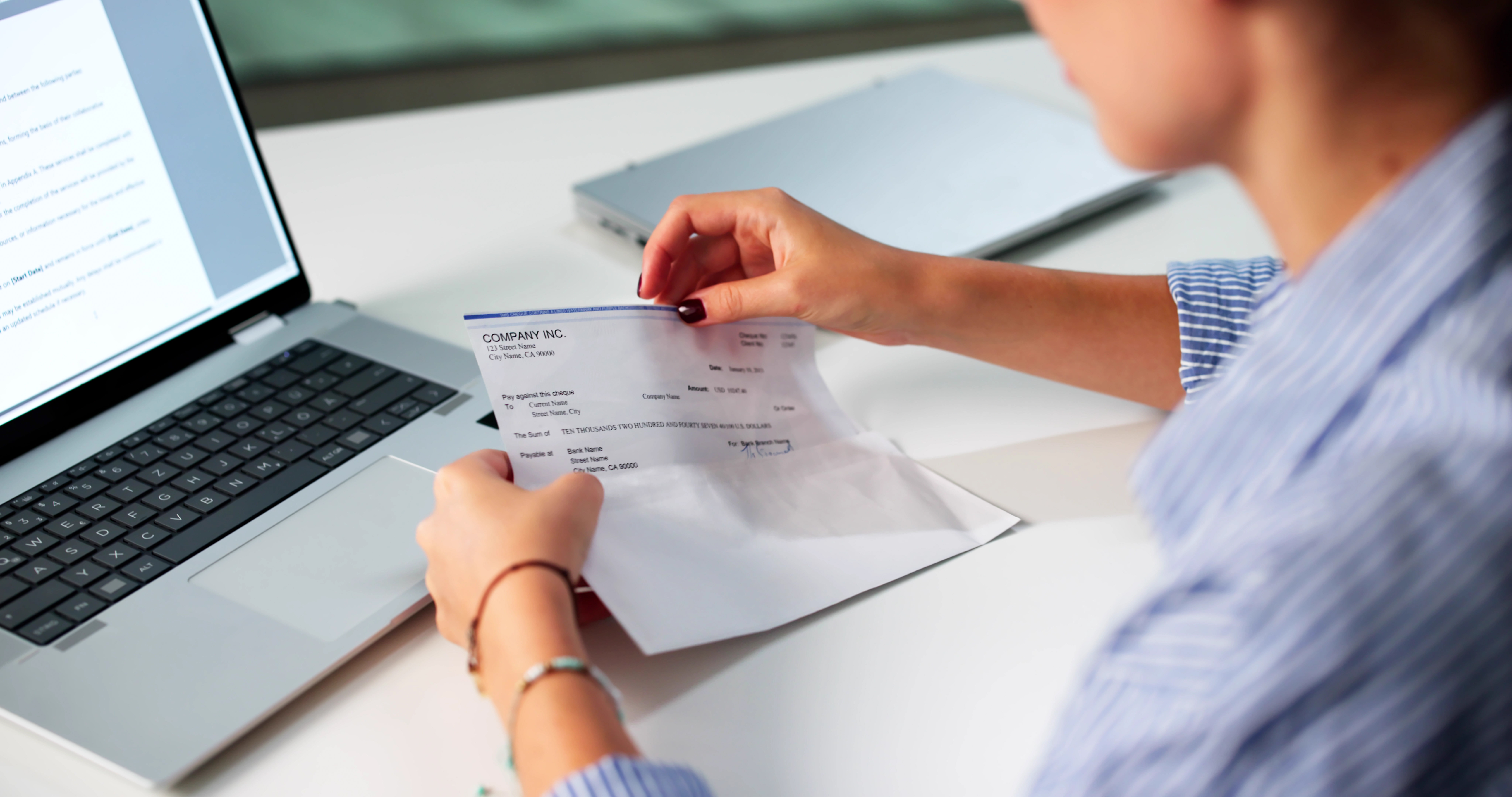
These look and work like regular checks, except they are issued individually each time you need one by the bank. Instead of having your account number printed on them, they come with the bank’s own account number added. Cashier’s checks aren’t just private, they are very secure and guaranteed to clear by the bank you purchase them from. Banks do charge a fee for them, making them ideal for occasional use and for larger purchases (like a down payment on a car).
Tips for using cashier's checks:
- Get a cashier’s check from your own bank (if you have one) to possibly access lower fees.
- Keep the receipt and check number as proof and to use when contacting the bank with any questions or problems.
- Give the check directly to the business (or send it through the mail). Be sure to attach documentation of which account you want it credited to.
- Only purchase cashier’s checks for reputable businesses you already work with; any request to send one to a new vendor may be an attempt to steal from you.
3. Prepaid debit cards
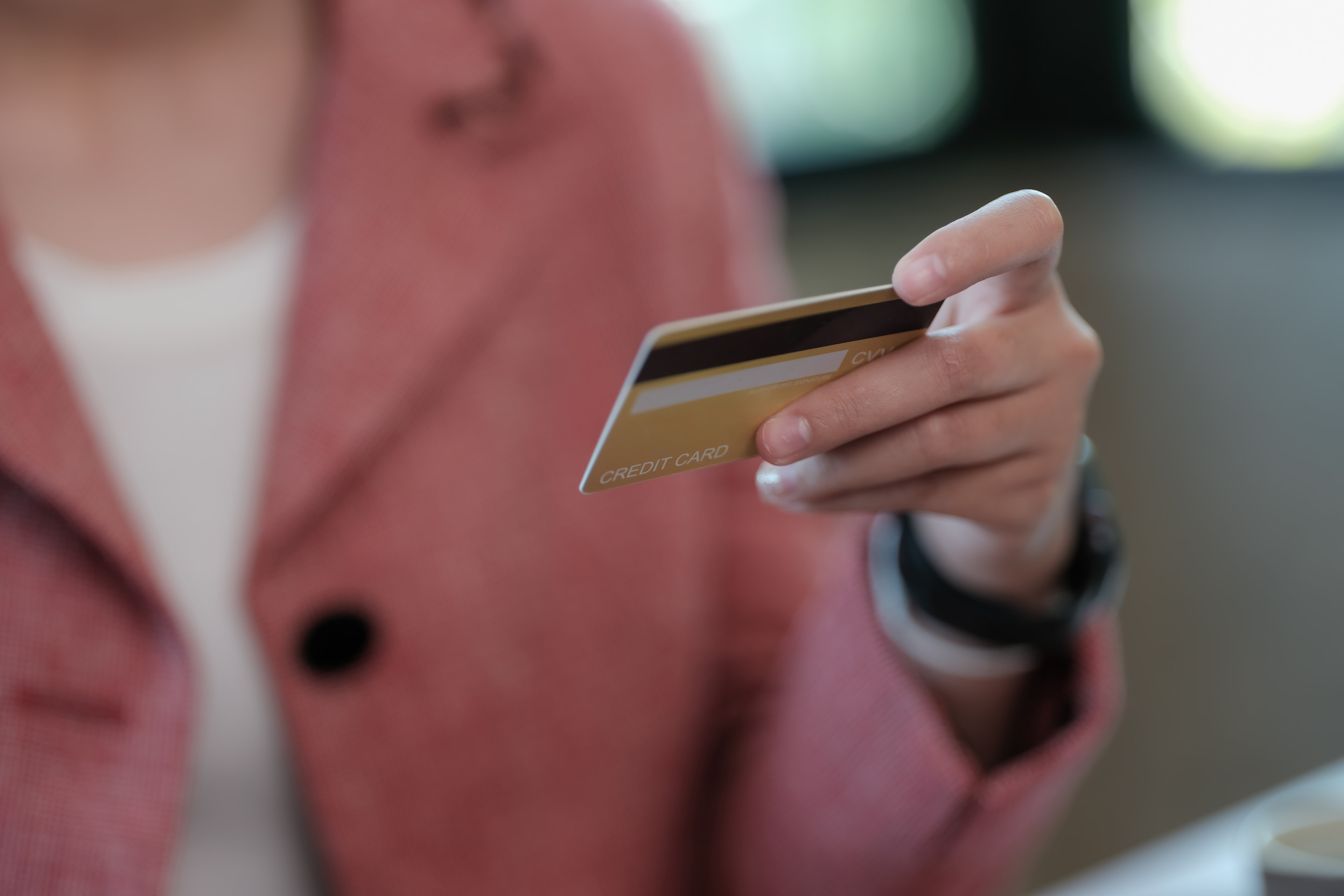
These secure bill pay options resemble a standard debit card, except that money has been preloaded onto them for a set value. If you choose one-time use cards, they don’t have any of your personally identifying information on them, and they’re not connected to your own bank. Think of them as a gift card for cash that can be used anywhere standard debit cards can be used.
Prepaid debit cards are sometimes called “virtual cards” as you can often buy them digitally, use them completely online, and not even get (or need) a plastic version to carry with you. Depending on what you’ll use them for, you may opt for the virtual version only.
Many consumers like prepaid debit cards for their privacy, but also because the cards are available to anyone, even those without a bank account. You also provide limited details when buying and activating one, making them a very private bill pay option!
Tips for using prepaid debit cards:
- Choose cards issued by major brands like Visa, Mastercard, or American Express.
- If you’re using the card for in-person purchases only, you won’t need to register it online or provide any additional personal information.
- If you’ll be using the card online, provide only the required information to use the card. (Note that registering the card may also be best if you’re concerned about it being lost or stolen. Giving your information is the only way to replace it later.)
- Use cash to buy from a physical retailer for the most privacy.
- Read the terms carefully so you know when the card expires and any fees associated with reloading or replacing the card.
4. Paying with cash
Of all the anonymous ways to pay bills, cash is probably the most private, but it also comes with risks. If you need to pay many bills or even one large bill, you’ll need to carry all that cash with you when you pay, which leaves you open to losing it. Also, cash that’s sitting in your wallet (or dresser drawer) doesn’t earn interest, so it may keep you from improving your financial situation in the way that a high-interest savings or checking account can.
If you’ve decided the privacy benefits are worth it, using cash ensures you share the least information possible. You can walk into any authorized retail location and pay your bill in person, using just your account number in many cases. You don’t need to share any additional information other than what the business already has on file for you.
Tips for using cash:
- Bring just enough cash to pay your bill to limit your risk if the money gets lost or stolen.
- Have your account number memorized or written down to provide to the business. Better yet, bring a copy of your latest bill or statement.
- Get a receipt for your cash payment, including the date of payment and amount.
- Try to pay your bill during business hours, if possible. Avoid using a bill pay drop box or other unmonitored method of payment.
- Be aware of cash reporting laws. Payments of $10,000 or more trigger additional regulations, where you would need to give out some additional personal information.
Important considerations when paying bills privately
Choosing one of the above bill pay methods can help protect your data, but you can take additional steps to manage your information.
If paying online...
- Use secure payment gateways. Make sure you're logging into the official websites for the company you’re paying. Avoid clicking on links in emails or from other sites. If possible, type in the web address as it appears on your latest bill, or use the approved business app to make your digital payment.
- Consider using a digital wallet. You may also consider using a reputable digital wallet like Apple Pay or Google Wallet to store your credit or debit cards. These wallets offer an additional layer of encryption and fraud protection, so the business never sees your credit or bank account information.
- Secure your online service accounts. Secure all of your accounts (e.g., cell phone, student loan, water bill) with a unique, secure password. Enable multi-factor authentication (MFA), if available. While it requires you to give out additional information, such as your cell phone number, it keeps others from accessing your account, payment details, and service history.
- Ensure log-in safety. Only log into your financial and account services from a protected and private Wi-Fi network (like your home or office). For additional security and privacy, consider a Virtual Private Network (VPN) service.
If paying in person...
- Shred older documents. Keep old bills, cash receipts, and other account information just as long as necessary. Then, shred or destroy completely before throwing in the trash.
- Use "tap-to-pay." When using a debit or credit card, opt for “tap-to-pay” if possible. This limits the chances of you falling victim to a skimmer, which is a device added to a card reader machine by criminals to steal your financial information. Avoid using any payment terminal that appears broken or tampered with.
How much bill pay information is too much?
It’s up to you to figure out which personal details you’re willing to share and in which situations. For example, a doctor’s office and some financial institutions may ask for more information than what’s needed by the local water company. Medical practices may need you to verify your identity and use your personal details to file insurance claims, ensure proper treatment, or even meet state reporting guidelines. In these situations, provide only the information required for service. (You can always ask if a detail is mandatory before providing it.)
Even people without any privacy concerns should take steps to protect their data. Not only does it limit your exposure to unwanted marketing or solicitation, but it also limits the window of opportunity for criminals to impersonate you or reach out through phishing scams, which have become increasingly common and expensive.
If you do have concerns about information shared with a business, contact the Federal Trade Commission. Their reporting page gives you additional details on what to look for, how to report a suspected scam, and resources available to help.