
It’s payday, and whether you have a checking account or not, your bills still need to be taken care of. So, what’s the best way for someone without a bank account to handle utility bills, monthly rent payments, or a car payment?
Cash is always an option, but it’s rarely the best one (since it can be hard to track and some billers don’t accept it). And money orders come with high fees and require a trip to the store. Instead, read on to learn how to pay your bills on time and avoid late fees — even if you’ve never had a checkbook or debit card before.
Workarounds to pay bills without a checking account
Checking accounts are convenient, but they aren’t the only way to handle routine finances (like paying bills). If you don't have access to a traditional bank, you're in luck. These options are widely available and work for a variety of bill types.
Option 1: Use a prepaid debit card
With a prepaid debit card, you can get paid and handle all your bill payments without ever setting foot into a brick-and-mortar bank. Here’s how it works:
- You sign up for a prepaid debit card, such as the Netspend® Visa® Prepaid Card, either in a retail store or online. After you receive the card and verify it, you can set up your payroll deposit from your workplace to be loaded directly to the card.
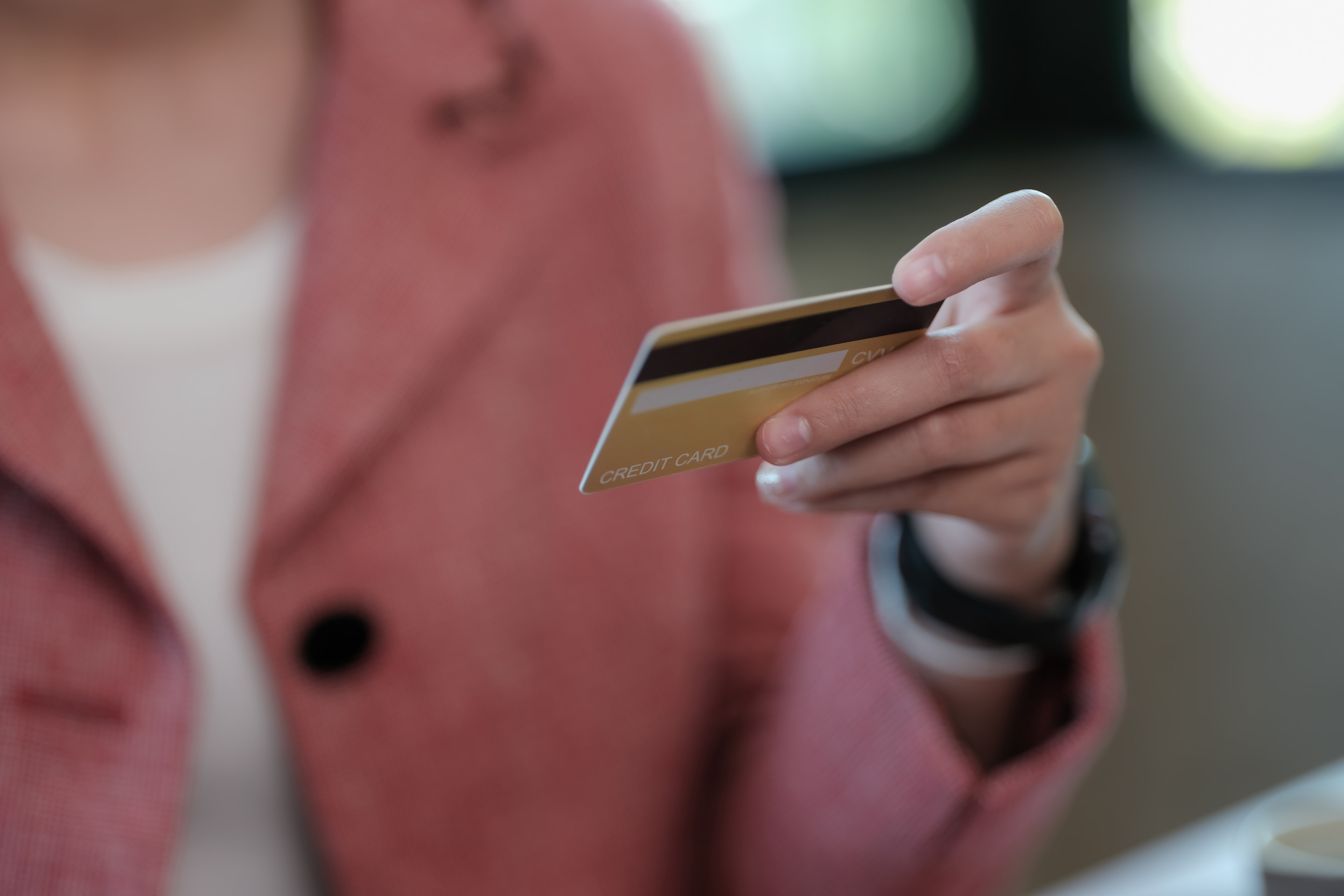
- With your card loaded, it’s time to pay your bills. Any payment gateway that accepts debit cards will work, whether it’s for your rent, car loan, or phone bill. Just enter the prepaid debit card information, including card number, expiration date, and the three-digit CVV (security code) on the back of the card. You may also need to provide a PIN for the transaction to go through as a true debit charge. (Fees may apply.)
- Since one of the best ways to pay bills with prepaid cards is on the biller’s website, you’ll want to bookmark their payment link or save it in your budgeting software to make it easy to revisit month after month.
- If you don’t want to visit individual billers every month, you can use the card to pay for services offered by each company you pay. Just enter your routing and prepaid account number (provided by Netspend) to have the money taken from your account each month. For a small fee1, you can avoid having to order checks or purchase stamps, and you won’t have to worry about incurring any late charges.
Prepaid cards don’t require a credit check2 or bank approval, making them accessible to almost anyone. Plus, you can only spend what’s loaded, so you’ll never pay overdraft fees1.
Pros
- You pay bills electronically
- Helps with budgeting because spending is capped at what’s loaded on the card
- Prepaid debit card apps often come with tracking and money management tools
Cons
- Some prepaid cards come with reload fees3 for each time you add money to your account or use to pay bills
- You don’t build your credit in the way you would using credit cards
- Some cards come with daily or monthly loading3 or spending limits, making big bills more challenging to pay
Best for: People who get paid regularly by direct deposit, want an account to pay bills, and need to manage multiple, recurring bills.
Option 2: Use retail payment services
Another option is to work with a third-party payment service, like PayNearMe, which serves customers without traditional banking accounts. Many utility companies and banks partner with the service to make it easier to pay bills each month. To make a payment:
- Get the barcode from your biller’s website, printed bill, or text sent to your phone.
- Visit a retailer that supports the payment, such as a CVS or 7-Eleven. Be sure to bring your barcode with you.
- Let the cashier scan the barcode, and pay the cashier in cash. The payment will be instantly applied to your biller account.
- Ask for a printed receipt as proof of payment. You’ll need this in case of any dispute. However, your payment should appear in your account within minutes or hours.
Pros
- Convenient locations at major retail chains ensure there’s a place to pay nearby
- Payments post quickly, often the same day
- There’s no need to mail a money order or wait for postal mail
Cons
- Not all companies participate in the program
- Some transactions come with additional service or convenience fees at the cashier or within the biller’s system
- Store access varies, and it may be difficult to find a participating retailer in rural areas or after hours
Best for: People who want a check or money order alternative for bills and prefer to make same-day in-person payments with cash.
Option 3: Pay bills in person with cash
The number of billers that accept cash payments is dwindling, as cash can be hard to track and can easily get lost. However, some utility companies still have walk-in centers, and authorized retailers often accept cash for some service providers. It’s possible to pay some bills at check-cashing stores and big-box retailers like Walmart, CVS, and Family Dollar. You’ll need to research options or talk to each billing company to see what options are available to you.
Whenever you pay in cash, come to the location with your account number and the amount owed. Always ask for a receipt. You may get instant credit for your payment, but some companies may not credit your account for a few days. If you’re worried about late fees, ask what their policy is before paying.
Pros
- You get an immediate receipt for your payment, ensuring the biller received the money
- You don’t need a bank account, debit card, or smartphone app to make a payment
- Most often, there are few (if any) fees when paying by cash
Cons
- You may have to wait in line or travel to reach the location for payment
- Limited hours or availability make night or weekend payments difficult
- You may not get credited for your payment right away
Best for: People who prefer to handle all transactions with cash or have authorized payment centers near them. It’s ideal for those who want extra assurance that a payment was received.
Creating a smarter system for monthly bills
It may be reassuring to know that you don’t need a traditional bank account to continue paying your bills on time each month. With a little research and planning, you can avoid late fees and stay on good terms with all your service providers. However, the best system may actually involve a combination of all these payment methods.
For example, consider using a prepaid card for monthly bills like streaming services, car insurance, or phone service. Anything recurring that can be scheduled from the service provider's online bill-pay portal can work here.
Then, for any biller that won't take a card, you might choose the PayNearMe bill payment option or cash-payment networks to ensure you can pay on time without a bank account.
Finally, you can opt for cash payments when absolutely necessary, such as a rent payment. Many landlords will prefer old-fashioned cash payments, and cash is still ideal when you need to catch up on a past-due balance.
Your overall goal is to minimize fees and pay on time. Whatever method helps you manage your budget responsibly and meet your obligations to each biller is likely the right one for you.
Finding the best bill pay options without a checking account
Not having a bank account can feel limiting or even put you at a disadvantage, especially when so many companies seem to assume you pay bills online from a checking account. However, paying bills without a checking account does not have to feel frustrating or chaotic. With today’s mix of pay-as-you-go debit cards, cash‑friendly payment networks, and in‑person options, it is possible to build a system that balances convenience, low fees, and compatibility with your service providers. Once you choose your tools and organize your due dates, your custom system can become fairly easy to maintain from month to month.
So, which payment type will you research first? When you understand how the main workarounds (prepaid debit cards, cash‑based payment networks, and in‑person cash or money order options) fit together, you can tailor them to your priorities. The more you learn about these methods and how they complement each other, the more confident you can feel that every bill has a clear, affordable way to get paid on time, even without a traditional checking account.