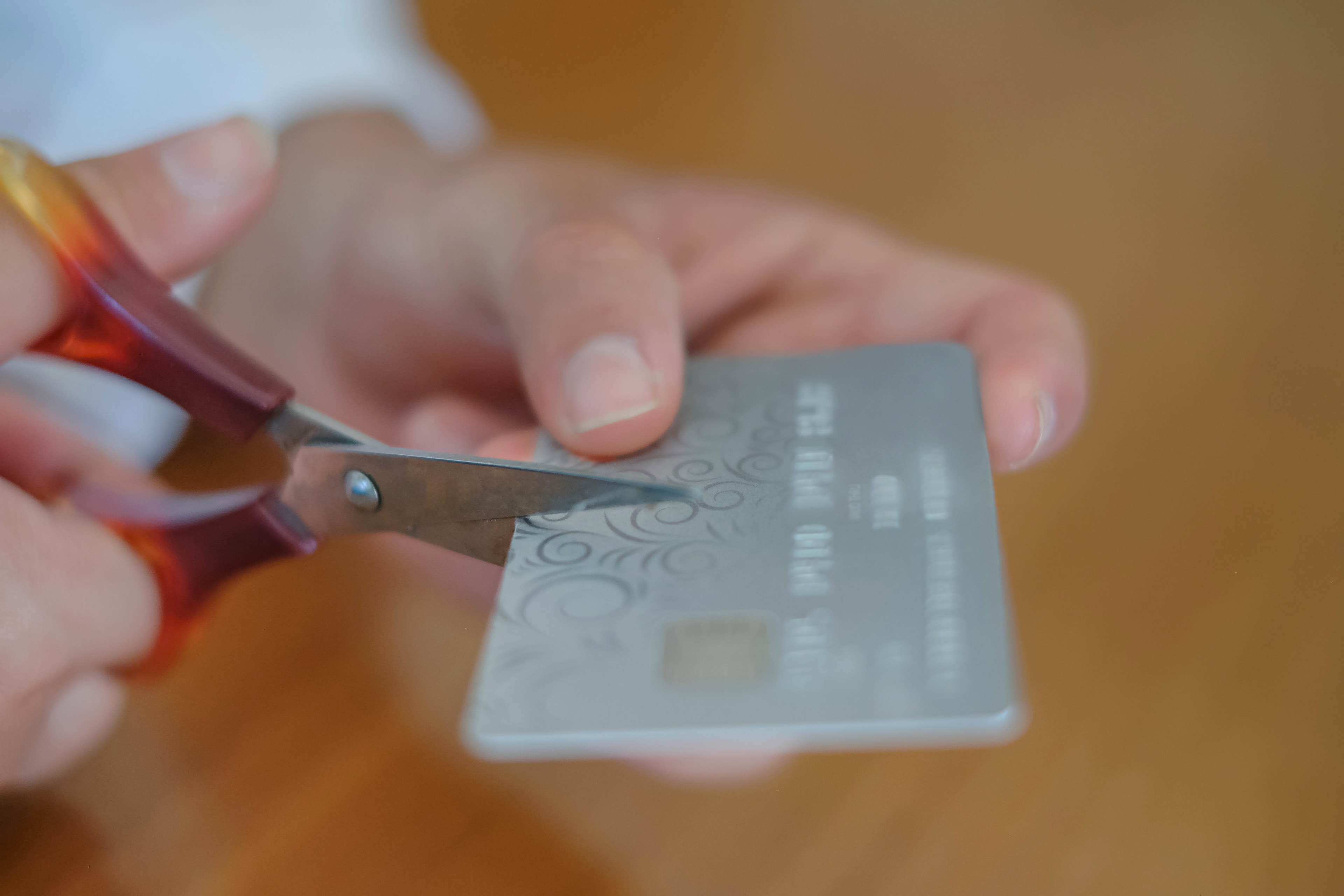
You may want to close your credit card account for any number of reasons, including high annual fees, rising interest rates, or no longer needing the card. Closing the account may seem like a way to simplify your financial life, as it means one less card to manage. But doing so can affect your credit profile in ways you may not expect.
Closing your card is relatively easy, but it’s not without some considerations. Here’s what you should know before you make an account closure request, along with some alternatives to letting your card go for good.
When it might make sense to close a credit card
In an effort to maintain control over finances, some people might consider getting rid of financial tools that no longer serve their long-term financial goals. Some valid reasons for closing a credit card account include:
- You haven’t used the card in a while and no longer find it useful
- The card’s intro APR, promo rate, or annual fee waiver has expired
- Rates, fees, or costs in general have become too high
- The card makes it too easy to spend money outside of your budget
- You’ve received a better card or offer to fill the need
- Life changes, such as marriage or divorce, require you to close it
Closing a card for any of these reasons can be a smart way to simplify your accounts and reduce stress, especially if you’re overwhelmed with tracking and managing the account.
Things to consider before closing your account
Even if you end up deciding you're certain you’re better off without the card, the card account still may be worth keeping around. Here are some of the ways a closed card account affects your overall credit health and daily money matters.
Credit utilization score
Your utilization ratio is the amount of credit you have used on a card account compared to the full credit limit available. So, if you’ve only charged $25 on a $2,000 account and $50 on a $1,000 account, you have a very low utilization ratio. Likewise, charging $1,750 and $650 on those same accounts shows as a high utilization ratio, and can signal to the lender that you're a higher credit risk.
Utilization ratio takes into account available credit from all your credit lines and is a factor in your credit score. So, a poor ratio can bring your score down somewhat. Closing a card greatly reduces your overall available credit and can change your utilization score. If the remaining open cards have considerable balances, your credit score could effectively drop.
Average account age
Another credit score factor is the length of credit history and the age of the newest account. If the account you close happens to be an older account, you risk shifting the average age of accounts to be more recent.
Assume you have three credit cards: one you’ve had for 10 years, one for three years, and one for two. The 10-year account makes it seem like you have a longer credit history. But if you close that account, and you’re left with two fairly recent accounts, it can make it appear as if you don’t have a very established credit history.
Rewards and benefits
Generous cash-back rewards and travel perks may not seem like enough to keep a card, but it truly depends on your spending habits. Some cards earn enough points or credits to justify managing them. Assuming you don’t let balances carry from month to month (so there’s no interest charges), closing the account could cause you to miss out.
Other benefits, like a free checked bag on flights or rental car coverage, may cost more if paid for out of pocket than any card membership fees.
Of course, only you can calculate the cost-benefit here. If you do find the return on investment is too low to keep a card open, be aware of how points are handled when you close the account. You’ll often forfeit any banked points or miles.
Automated payments
Finally, any subscriptions or automated payments connected to the card won't go through if the account is closed. Yes, you can always switch to another payment method, but it may take time and effort.
If you plan on closing the card, go through all the past few months of transactions and check for these transactions. Then, contact each biller individually to update your payment preferences. Just note that quarterly, annual, or other irregular payments may not show up on recent account statements.
Failure to update your card could result in the biller trying to charge it, and the payment not going through. Depending on the biller’s policies, you could end up with late fees or an interruption in your service until it’s resolved.
How to close your credit card account
Closing your card isn’t hard, but you’ll want to follow these steps so the account closes cleanly and doesn’t create surprises later. If you close it too soon, you may end up having to contact billers and lose out on any accumulated card rewards.
- Pay or transfer the full balance, so the account reaches $0.
- Wait for at least one more statement cycle (or check your account online) to be sure any trailing interest or fees have posted, and pay those off, too.
- Cancel any recurring charges tied to the card, or change the payment to a new method.
- Redeem any remaining rewards or benefits.
- Log in to your card account and choose the Close Account option. Or, call the customer service number on the back of the card and ask for a representative to help you.
- Ask for confirmation of your closure request. You may be sent one by mail, email, or text message, depending on your communication preferences and the card issuer’s policies.
- Cut up or securely destroy the physical card once you’ve confirmed the closure.
After the closure, check your credit report after 30 days, and again after 60 days, to make sure the account shows as closed at your request (instead of another reason). The account balance should also be $0.
If you don’t see the account reported correctly, make a request to the credit card company, asking them to confirm the closure. If they insist it’s been done, file a formal error report with the appropriate credit reporting agency.
Alternatives to closing a credit card account
You should always feel free to stop using a card for any reason, but that doesn’t mean you have to close the account for good. It sometimes makes sense to take the card out of your wallet or cut it up, while keeping the card account open, to help your credit score.
Other options include downgrading to a different card with lower annual fees and fewer benefits. You can often ask the customer service department about these cards. Sometimes, they may even waive the annual fee for an additional year just by asking. If not, many card issuers have lower-tiered options with similar purchase protections.
In many cases, they can switch you over to the new card without having to go through the hassle of changing card details with all your billers. This can also preserve your account history, including card account age, so your credit score won’t take a hit.
If there’s no additional cost to keeping the card, you may choose to put it away in a secure location and only use it as often as needed to keep it active. For some cards, this could be every six months to a year. You can pay the purchase off right away so you avoid taking on new debt or interest costs.
In most cases, your card issuer will alert you if your card is in danger of being inactive, so you can take action and keep it in good standing.
Answering the question: Should I close my credit card?
Deciding whether to keep or close a card is personal, and it often comes down to how you use that card in everyday life. A retail card that only works at one store may not feel as valuable as a general‑purpose card you can use almost anywhere, so your choice may depend on where you actually shop. Regardless of the reason for considering a credit card account closure, it might be a good idea to first put the card away and turn off autopay for any accounts it’s connected to. Then, you can test how it feels to live without the card before you decide to close it.
Whatever you choose, remember that it may be hard to close a credit card without hurting your credit, even if the impact is temporary. Focus on paying your balance on time, keeping balances low, and checking your credit regularly so you can protect your score and stay confident in your money decisions, even with a closed account.